
Agentic Loop Token Costs Are an Architecture Problem
Agentic loop token costs come from context accumulation, tool bloat, and retries. Learn to map hidden API waste before downgrading your model.
Category
Technical deep dives into how AI systems are built and run: models, retrieval, agents, evaluation, fine-tuning, and infrastructure.
24 posts
Agentic loop token costs come from context accumulation, tool bloat, and retries. Learn to map hidden API waste before downgrading your model.
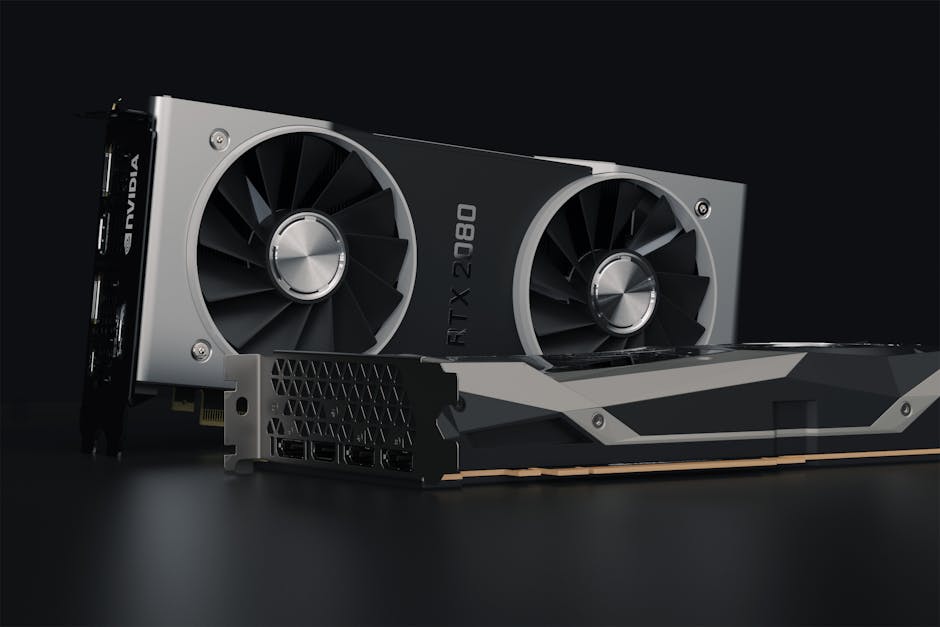
Megakernels in LLM inference trade off launch overhead against SM occupancy. Learn when fused kernels beat CUDA graphs for low-latency agentic workloads.

Disaggregated GPU inference splits prefill and decode for higher throughput, but each request moves 2.6 GB of KV cache across the datacenter.

BM25 vs dense retrieval on a consumer GPU. Each baseline wins one RAG scenario and breaks another. Match your index to memory, latency, and failure mode.

AI agent cost per resolution, not eval accuracy, decides if your agent ships or dies. Token pricing hides the unit economics of retries and failures.
Learn when to self-host LLM inference instead of paying per token. Netflix's production stack reveals the real cost, latency, and control tradeoffs.

Should you orchestrate open source LLMs or call a single frontier model? We break down Sakana Fugu's claims and the real cost and latency tradeoffs.

LLM agent scaffolding constrains what models see and call. Learn why GitHub Copilot code review regressed with more tools and how routing helps.
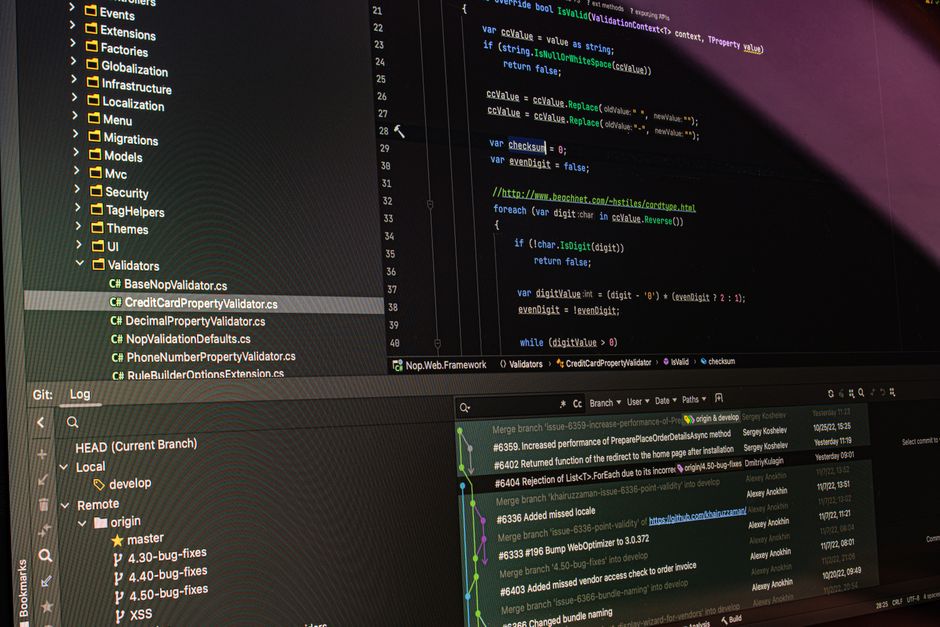
Stop RAG hallucination with typed schema contracts. Build programmatic answer contracts, validate field-level citations, and handle missing data.

GPT and Claude failed Bridgewater's private financial evals. Discover what this reveals about LLM benchmark leakage and how to build robust holdout sets for domain-specific testing.

Learn how to secure AI coding agents against supply chain attacks. Discover how to prevent prompt injection malware execution using sandboxing and strict file permissions.

Discover why full automation fails at scale and learn 5 architectural patterns for human-in-the-loop systems to balance AI speed with operational safety.