
Custom AI Inference Chips Are Eating the GPU Market
Discover why frontier AI labs are shifting to custom AI inference chips to solve memory bandwidth bottlenecks, reduce latency, and challenge GPU dominance.
Practical AI guides, honest tool reviews, engineering deep dives, real-world use cases, and sharp analysis that cuts through the hype.
Discover why frontier AI labs are shifting to custom AI inference chips to solve memory bandwidth bottlenecks, reduce latency, and challenge GPU dominance.

AI reasoning transparency is failing. Learn why models like Claude summarize their chain of thought, why raw logic is hidden, and how to evaluate black box AI agents.

Discover how autonomous AI agents leak sensitive enterprise data through reasoning traces. Learn practical architectures and sanitization frameworks to prevent exposure.

Gemini 4 Neon is Google's fourth Gemini 4 model in about seven weeks; Argon retired roughly six weeks old. What that does to pinning, evals, and budgets.

A builder's guide to coding agent sandboxes: what containers, microVMs, and WASM stop, and a default-deny egress policy that contains prompt injection.

Human-in-the-loop AI agents that pause for hours need async design. Compare three resume architectures, from client polling to durable execution engines.

Google GTIG watched AI-driven exploit generation go autonomous, patch to working exploit, no human. Patch-velocity math and triage rubric for your fleet.
AI agents for data science lost to a two-line Titanic baseline, scoring 72.96% in one hour. See why tabular ML breaks coding agents and what to keep.

Multi-node vLLM serving audited: we normalize the 607.8 tok/s two-station GLM-5.3 demo per GPU, price the all-reduce tax, and derive a scale-out rule.
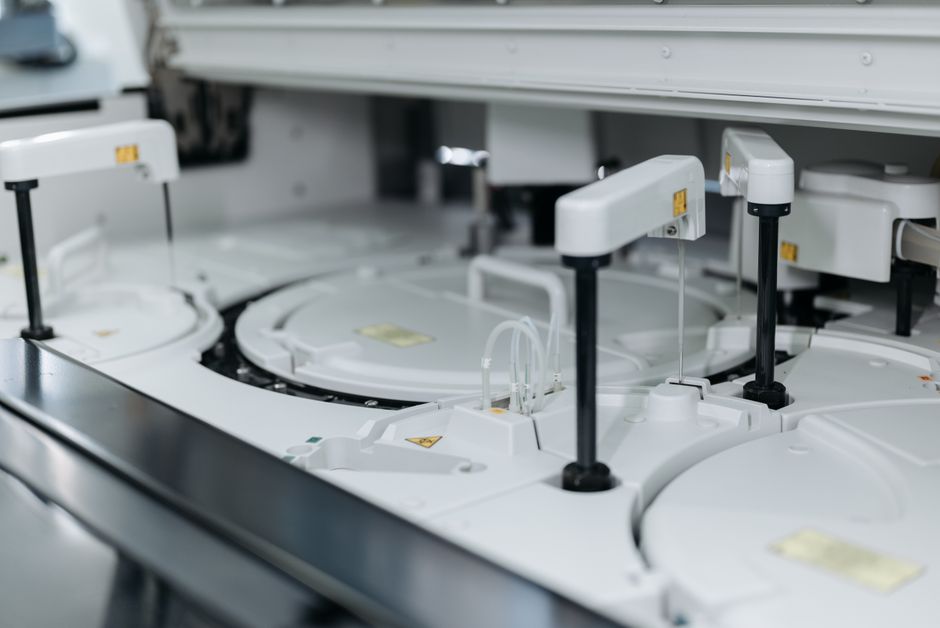
The Natera SWARM Amazon Bedrock AgentCore build, decoded as a reusable spec for running agentic AI diagnostics inside a regulated clinical lab.
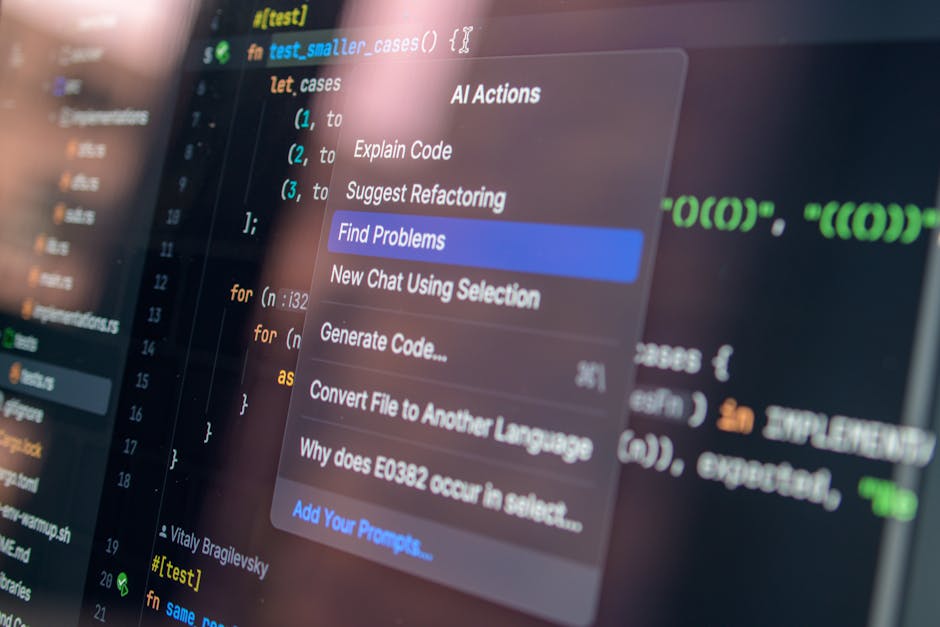
Version control for AI coding agents starts above Git. Ship a worktree-plus-manifest stack this quarter; the requirements spec covers what replaces it.
Anthropic says an in-house model ported Claude to AMD GPUs in three days. We audit the CUDA lock-in math and give you a rule for your GPU plans.
Airbnb's AI customer support agents decoded into a build spec, covering multi-party conversations, moving-target evals, and the latency accuracy tradeoff.

Netflix Pensive hardens LLM root cause analysis into a production system. We tear down the build spec, its guardrails, and what transfers to smaller teams.

DiffusionGemma teardown: parallel decoding trades first-token latency for full-response latency, drops the KV cache, and breaks streaming and tool calls.